DeepSeek-R1 vs. OpenAI o3-mini: API Pricing, Benchmarks & Local Setup Guide (2026)
By Sohail Shabbir · Technology · Fri Jul 31 2026
Compare DeepSeek-R1 and OpenAI o3-mini reasoning AI models. Explore AIME 2024 math benchmarks, token costs, and a step-by-step local Ollama setup guide.
AI Engineering 2026DeepSeek-R1 vs. OpenAI o3-mini: API Pricing, Benchmarks & Local Setup Guide (2026)
An in-depth technical analysis comparing open-weights reasoning model DeepSeek-R1 against OpenAI's frontier o3-mini. Explore math benchmarks, API pricing, token economics, and local Ollama setup.
The artificial intelligence industry experienced a paradigm shift with the emergence of Reasoning Large Language Models (R-LLMs). Unlike traditional autoregressive LLMs that generate instant token-by-token completions, reasoning models utilize internal Chain-of-Thought (CoT) reinforcement learning to reason through complex mathematical proofs, software architecture problems, and multi-step logic before returning a final answer.
Two models dominate the 2026 reasoning conversation: DeepSeek-R1, the groundbreaking open-weights reasoning model developed by DeepSeek, and OpenAI o3-mini, OpenAI's high-speed, cost-optimized frontier reasoning engine. In this technical breakdown, we analyze their benchmark performances on AIME 2024, MATH-500, and Codeforces, examine their API pricing economics, and provide a 5-minute local setup guide for running DeepSeek-R1 offline.
Key Takeaways: DeepSeek-R1 vs. OpenAI o3-mini
- Open-Weights Freedom: DeepSeek-R1 is MIT licensed with fully downloadable weights (7B, 14B, 32B, 70B, 671B).
- Unbeatable API Economics: DeepSeek-R1 costs $0.55 / $2.19 per million tokens—roughly 90% cheaper than legacy frontier models.
- High-Speed Reasoning: OpenAI o3-mini offers adjustable reasoning effort parameters (low, medium, high) optimized for fast latency.
- Native Local Execution: Run DeepSeek-R1 distilled variants locally on consumer GPUs and Mac M-series chips via Ollama.
Head-to-Head Benchmark Comparison Matrix
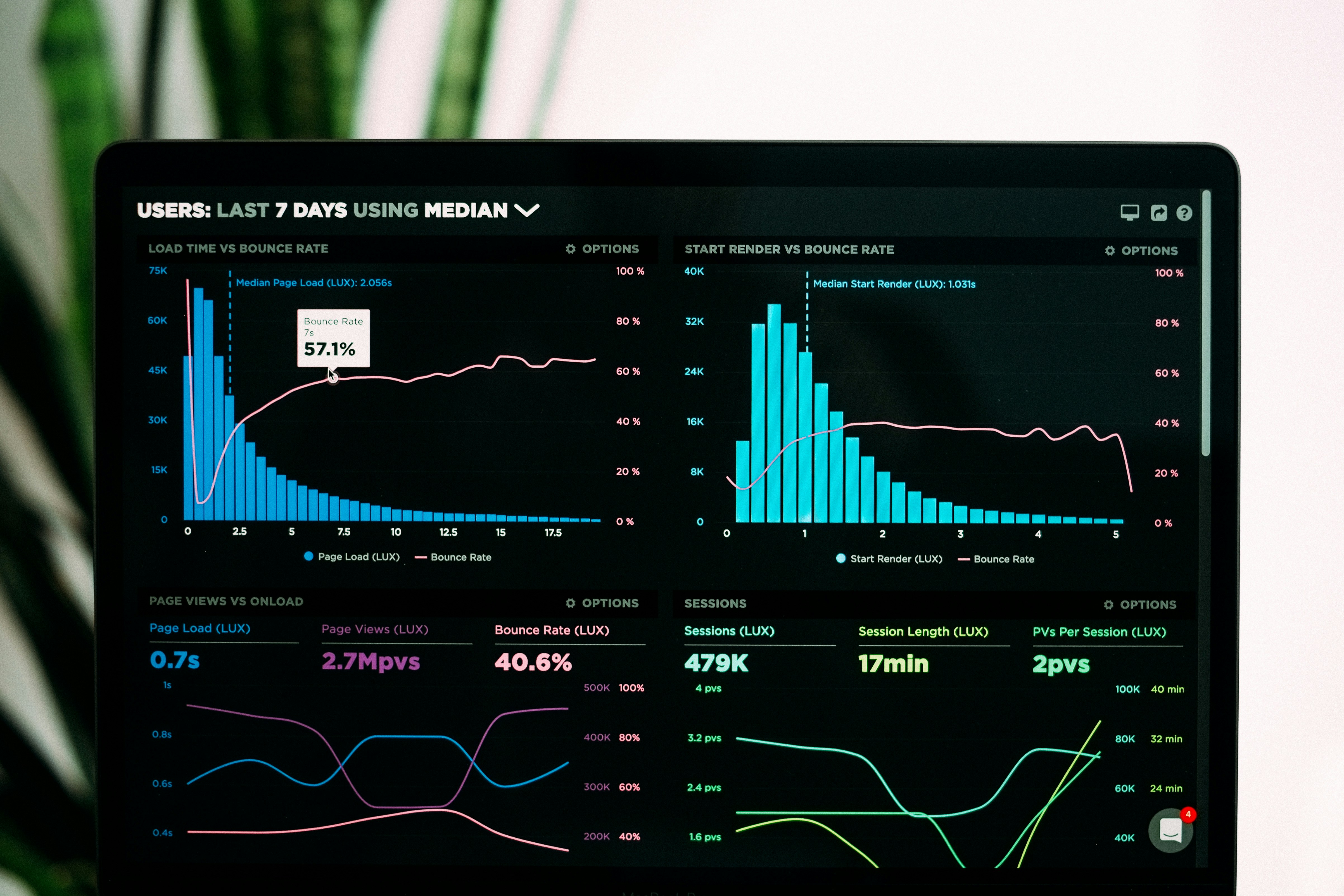
Below is the technical performance comparison evaluated across standard AI mathematics, coding, and reasoning benchmarks:
Architecture Breakdown: Mixture-of-Experts vs. Fine-Tuned Distillation
The core architectural difference lies in accessibility and execution model:
DeepSeek-R1: Pure Reinforcement Learning & Open Distillation
DeepSeek-R1 was trained using a multi-stage pipeline: starting with pure reinforcement learning (RL) without supervised fine-tuning (DeepSeek-R1-Zero), followed by targeted cold-start data alignment. The full model uses a 671B parameter Mixture-of-Experts (MoE) architecture where only 37B parameters are activated per token, keeping inference speed blazing fast.
Crucially, DeepSeek distilled R1's reasoning capabilities into smaller dense models (8B, 14B, 32B, 70B) based on Qwen and Llama architectures, enabling software developers to run true reasoning models offline on local workstations.
OpenAI o3-mini: Variable Reasoning Effort API
OpenAI o3-mini is built for high-throughput enterprise API integration. It allows developers to specify a reasoning_effort parameter (low, medium, or high) via the API payload, dynamically controlling how many internal thought tokens the model consumes before responding.
Developer Guide: Running DeepSeek-R1 Locally with Ollama
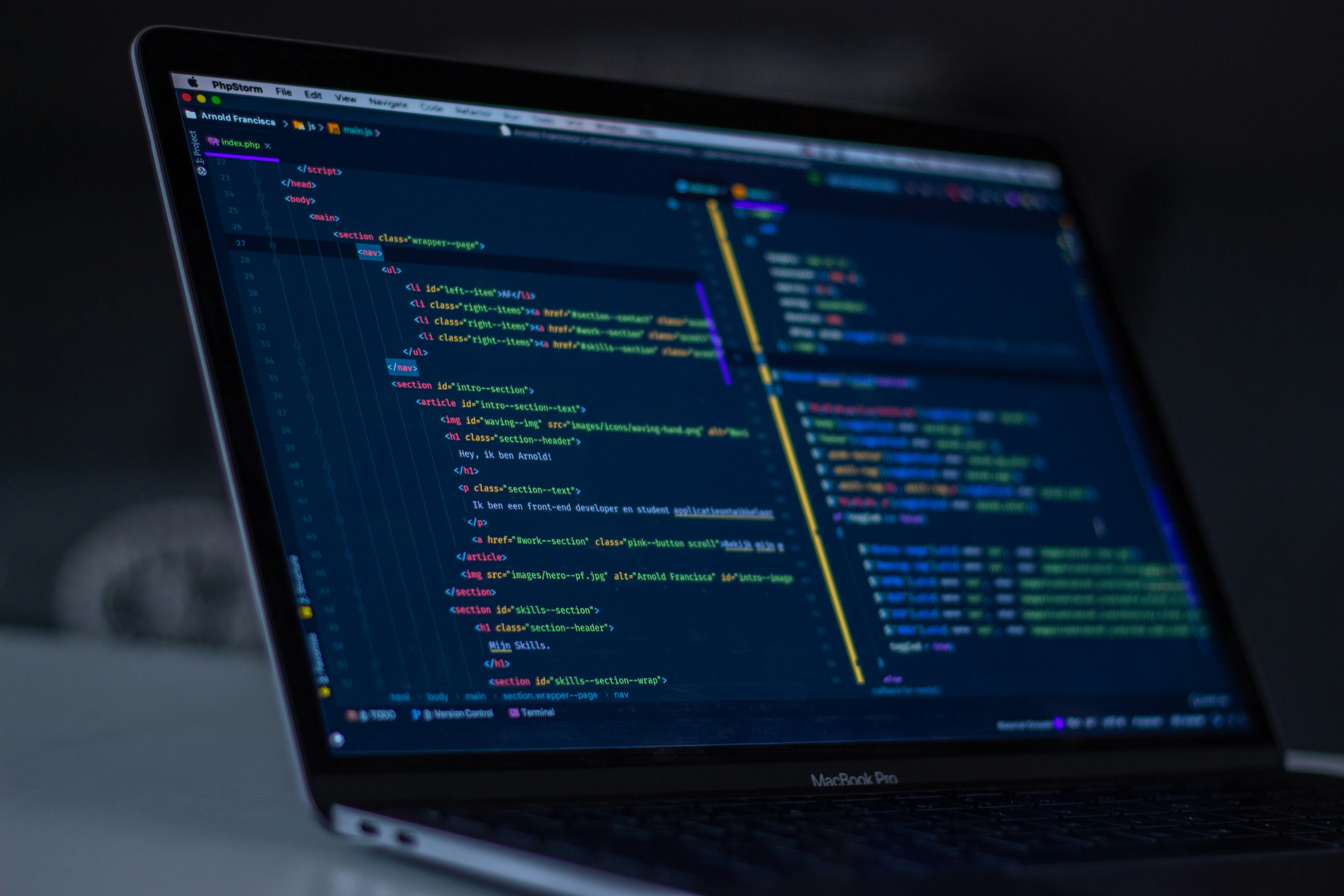
You can run DeepSeek-R1 completely offline on your computer in under 2 minutes. Follow the terminal commands below:
Step 1: Pull and Run DeepSeek-R1 Distilled Model
# Run the 8B parameter model (requires ~6GB VRAM / RAM)
ollama run deepseek-r1:8b

# Or run the high-accuracy 14B model (requires ~10GB VRAM / RAM)
ollama run deepseek-r1:14b
Step 2: Connect to VS Code via Continue.dev
Add the following model entry to your ~/.continue/config.json:
{
  "models": [
    {
      "title": "DeepSeek-R1 8B (Local)",
      "provider": "ollama",
      "model": "deepseek-r1:8b"
    }
  ]
}
Frequently Asked Questions (FAQ)
Is DeepSeek-R1 completely open-source and free for commercial use?
Yes! DeepSeek-R1 and its distilled models (8B, 14B, 32B, 70B) are released under the permissive MIT license, permitting unrestricted commercial use, fine-tuning, and self-hosting.
How does OpenAI o3-mini compare to OpenAI o1?
OpenAI o3-mini provides comparable or superior coding and STEM reasoning performance compared to o1-preview, while operating with significantly lower latency and 75% lower API cost.
Which hardware is needed to run DeepSeek-R1 locally?
The DeepSeek-R1 8B model runs smoothly on Apple Silicon Macs (M1/M2/M3 with 16GB RAM) or NVIDIA GPUs with 8GB VRAM (RTX 3060/4060). The 32B model recommends 24GB VRAM.
Why are reasoning models better for coding and mathematics?
Reasoning models generate internal Chain-of-Thought tokens before responding, allowing them to test hypotheses, self-correct errors, and verify edge cases before generating the final code output.
Published by Daily Blogs Tech Editorial Team • Category: Technology • Last Updated: July 31, 2026
Tags: deepseek r1, openai o3 mini, ai benchmarks, local llm, ollama, reasoning ai, artificial intelligence