FIFA World Cup 2026: Veteran Players vs Young Players and the Performance Story
By Sohail Shabbir · News · Mon Jun 22 2026
A draft analysis of how veteran players and young players compare at the FIFA World Cup 2026, with current examples, tactical takeaways, and football performanc
FIFA World Cup 2026: Veteran Players vs Young Players and the Performance Story
The FIFA World Cup 2026 is shaping up to be more than a tournament of nations. It is also a direct comparison between football experience and football explosiveness. With 48 teams, 16 host cities, and a final set for July 19, 2026, the event gives veterans and rising stars the same stage, the same pressure, and very different ways to win matches.
Some fans focus on age. Others focus on pace. The smarter way to read the FIFA World Cup 2026 is to look at player performance in context: decision-making, stamina, recovery, leadership, and the ability to deliver in moments that decide knockout games. That is where the old-player-versus-new-player debate becomes interesting.
Why FIFA World Cup 2026 Makes the Comparison So Interesting
The FIFA World Cup 2026 is the first edition hosted by three nations: Canada, Mexico, and the United States. It also expands the field to 48 teams, which means more tactical variety, more travel demands, and more chances for squads to lean on both seasoned leaders and emerging talent. In a tournament this large, age is not just a number. It changes how coaches manage minutes, pace, and recovery.
That structure matters because the margin between winning and losing is often tiny. In the group stage, teams can afford to ride momentum. In the knockout rounds, however, the FIFA World Cup 2026 will reward the players who can stay calm under pressure and execute the details: first touches, final passes, recovery runs, and set-piece delivery.
This is also why the conversation around old players versus new players keeps coming back. Veterans usually bring scanning, timing, and emotional control. Younger players usually bring acceleration, pressing intensity, and a willingness to attack space repeatedly. The best teams in the FIFA World Cup 2026 will not choose one side of that argument. They will blend both.
- Older players help control tempo and protect leads.
- Younger players stretch defenses and raise the pressing level.
- Balanced squads use both traits to survive long tournaments.
For official tournament context, see the FIFA World Cup 2026 site and tournament references: FIFA World Cup 2026.
What Veteran Players Bring to the FIFA World Cup 2026
Veteran players rarely win headlines with raw speed, but they still win games. In the FIFA World Cup 2026, older players are valuable because they understand when to slow a match down, when to absorb pressure, and when to force a foul, draw a card, or take the safer passing lane.
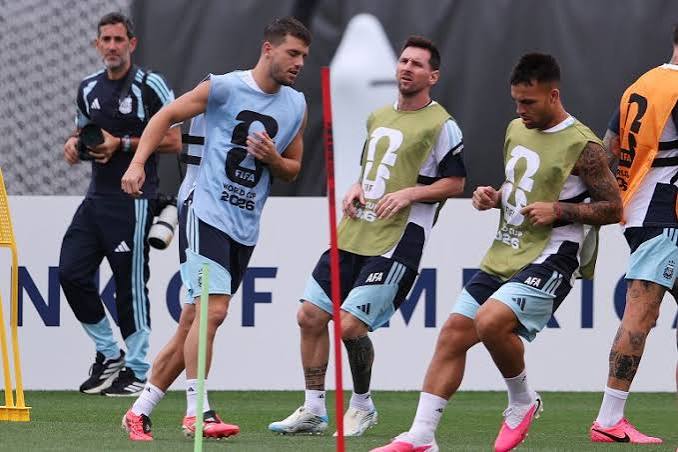
The clearest example is Lionel Messi. Current World Cup coverage on June 22, 2026 reported that Messi became the all-time leading scorer in men’s World Cup history with his 17th goal. That kind of performance shows how an older player can remain decisive deep into a career. He is nearly 39, but his value is not built on pure sprint speed. It is built on timing, game intelligence, and the ability to turn limited space into a goal.
Veterans also help with tournament psychology. The FIFA World Cup 2026 will test squads across a long calendar, and players who have already lived through finals, shootouts, and pressure surges can steady a team when the match becomes chaotic. A younger player may be able to run harder; an older player may be able to choose better.Veteran control and young pressure can coexist in the same match.
Veterans tend to excel in these match situations:
- Protecting a one-goal lead by keeping possession and killing tempo.
- Reading defensive traps before they become turnovers.
- Delivering from set pieces where accuracy matters more than explosiveness.
- Guiding younger teammates through a tense FIFA World Cup 2026 knockout tie.
What New Players Bring to the FIFA World Cup 2026
Young players bring a different type of value. They play faster, recover faster, and often attack every transition with more willingness. In modern football, that matters because pressing systems and quick counterattacks can decide matches in a few seconds. A new player is often the one who turns a loose ball into a shot before the defense resets.
Kylian Mbappé is the best current example of that profile. At 27, he already sits among the biggest names in the game, and current 2026 coverage places him in the race for tournament goals while noting his 100-cap milestone. He represents the new-player side of the debate, even though he is no longer a teenager. In World Cup terms, he still embodies the speed, confidence, and directness that younger attackers bring to the FIFA World Cup 2026.
Young stars can also change the tactical tone of a game. They force deeper back lines. They drag center backs into wider zones. They create uncertainty because they are willing to repeat high-intensity actions over and over. In a tournament as large as the FIFA World Cup 2026, that energy can be decisive, especially in matches where coaches want to press high and win the ball quickly.
New players often shine in these areas:
- High pressing and fast counter-pressing.
- Explosive dribbling into open space.
- Repeated sprints in transition attacks.
- Fearless shot selection in big moments.
The Best FIFA World Cup 2026 Teams Will Blend Generations
The real lesson of the FIFA World Cup 2026 is not that old players are better than new players, or that new players are replacing veterans. The smartest squads will use both. Veterans stabilize the game. Young players destabilize the opponent. One group helps you survive pressure. The other helps you create pressure.
That balance is especially important in North America, where the tournament schedule, travel demands, and climate variation can punish teams that rely on one style only. Coaches need rotation. They need legs. They need leadership. They need players who can adapt when the game changes from open to tight and from calm to frantic.
Here is the simple formula many successful teams will follow in the FIFA World Cup 2026:
- Use veterans to manage the opening phase and keep the team organized.
- Use young attackers to stretch the back line and force mistakes.
- Rotate intelligently so older players stay fresh for knockout matches.
- Let the data guide selection, but let experience guide the final decision.
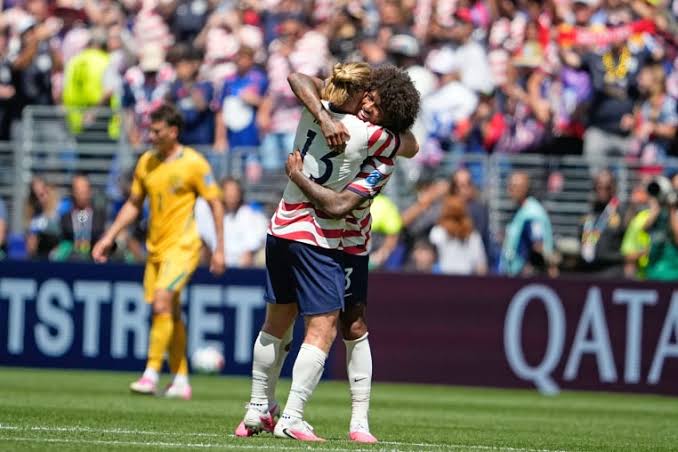
That is why player performance should be judged by impact, not by age alone. In the FIFA World Cup 2026, a 39-year-old may decide a match with one perfect touch, while a 20-something may win it with relentless pressing and pace. Both outcomes are elite football.
How Fans Should Read Player Performance
When you watch the FIFA World Cup 2026, do not just ask who looks younger or who looks older. Ask who is controlling the match. Ask which player is winning space. Ask who is creating better shot quality and who is making the defense move backward.
A better performance checklist looks like this:
- Does the veteran slow the game down when needed?
- Does the young player break lines and create transitions?
- Does the team keep shape after losing the ball?
- Can the squad maintain intensity after the 70th minute?
That lens makes the FIFA World Cup 2026 more fun to follow, because it moves the conversation away from simple age labels and toward real football value. The old-player-versus-new-player debate is most useful when it helps us understand how different strengths produce winning football.
Conclusion
The FIFA World Cup 2026 is the perfect stage for comparing veteran players with young players because the tournament is big, demanding, and unforgiving. Older football players bring composure, leadership, and timing. New football players bring speed, pressure, and direct attacking intent. Current World Cup coverage already shows both sides in action, from Messi’s record-breaking finishing to Mbappé’s modern, high-tempo threat.
In the end, the best answer is not old versus new. It is old and new together. The squads that understand player performance in that way will have the strongest chance of going deep in the FIFA World Cup 2026.
Sources and Further Reading
- 2026 FIFA World Cup overview
- Guardian coverage of Lionel Messi’s 2026 World Cup record
- Guardian coverage of Kylian Mbappé in the 2026 World Cup
- Official FIFA World Cup 2026 site
Tags: fifa world cup 2026, football players, player performance, veteran players, young players, sports, world cup