How AI-Driven Game Development Tools Are Revolutionizing Indie Game Design in 2026
By Sohail Shabbir · Technology · Thu Aug 06 2026
Explore how AI-driven game development tools are empowering indie game developers in 2026. From 3D asset generation to dynamic LLM NPCs, learn the full workflow
How AI-Driven Game Development Tools Are Revolutionizing Indie Game Design in 2026
Discover how cutting-edge generative AI, local neural runtimes, automated asset synthesis, and intelligent NPC behavior engines are leveling the playing field for indie game creators in 2026.

1. The Paradigm Shift: How AI Democratized Game Development in 2026
For decades, independent game developers faced an overwhelming structural barrier: the brutal imbalance between creative ambition and production bandwidth. A solo developer or a five-person studio could spend three years crafting mechanics, only to be bottlenecked by 3D modeling, environment art, voice acting, dynamic lighting, and complex behavior scripting. AAA studios commanded armies of hundreds of artists and engineers to build sprawling, living worlds, leaving small studios to rely on stylized minimal art or pre-made asset stores.
In 2026, that historical imbalance has collapsed. The rise of multi-modal generative AI pipelines, localized small language models (SLMs), neural radiance fields (NeRFs), and automated coding agents has fundamentally transformed indie game development. Indie creators are no longer constrained by the physical hours required to sculpt every polygon or code every state machine. Instead, they operate as creative directors overseeing an ensemble of AI-driven synthesis engines.
This evolution does not mean pressing a single button to generate a complete game. Rather, 2026's AI-driven game development workflow is modular, human-in-the-loop, and deeply integrated into standard engines like Unreal Engine 5.5+, Unity 6, and Godot 4.4. Developers retain absolute artistic control while accelerating iterative production cycles by 5x to 10x.
Furthermore, democratized access to cloud GPU clusters and edge-optimized neural runtime engines allows indie studios to ship ambitious open-world titles, emergent sandbox simulators, and narrative-heavy RPGs without breaking bank balances. The barrier to entry has shifted from raw asset manufacturing capital to pure imaginative scope and design execution.
2. Generative Asset Pipelines: 3D Mesh, PBR Textures & NeRF Integration
One of the most time-consuming aspects of classic game design was 3D asset creation. Sculpting high-poly base meshes, baking normal maps, retopologizing geometry for game-ready polycounts, and creating physically based rendering (PBR) texture sets used to take days per asset.
In 2026, AI-driven asset generation tools have matured into real-time interactive mesh synthesis. Modern tools utilize 3D Gaussian Splatting and latent diffusion models to generate game-ready, low-poly 3D meshes with clean UV unwrapping and procedural texture maps directly from concept text prompts, 2D sketches, or single photo captures.
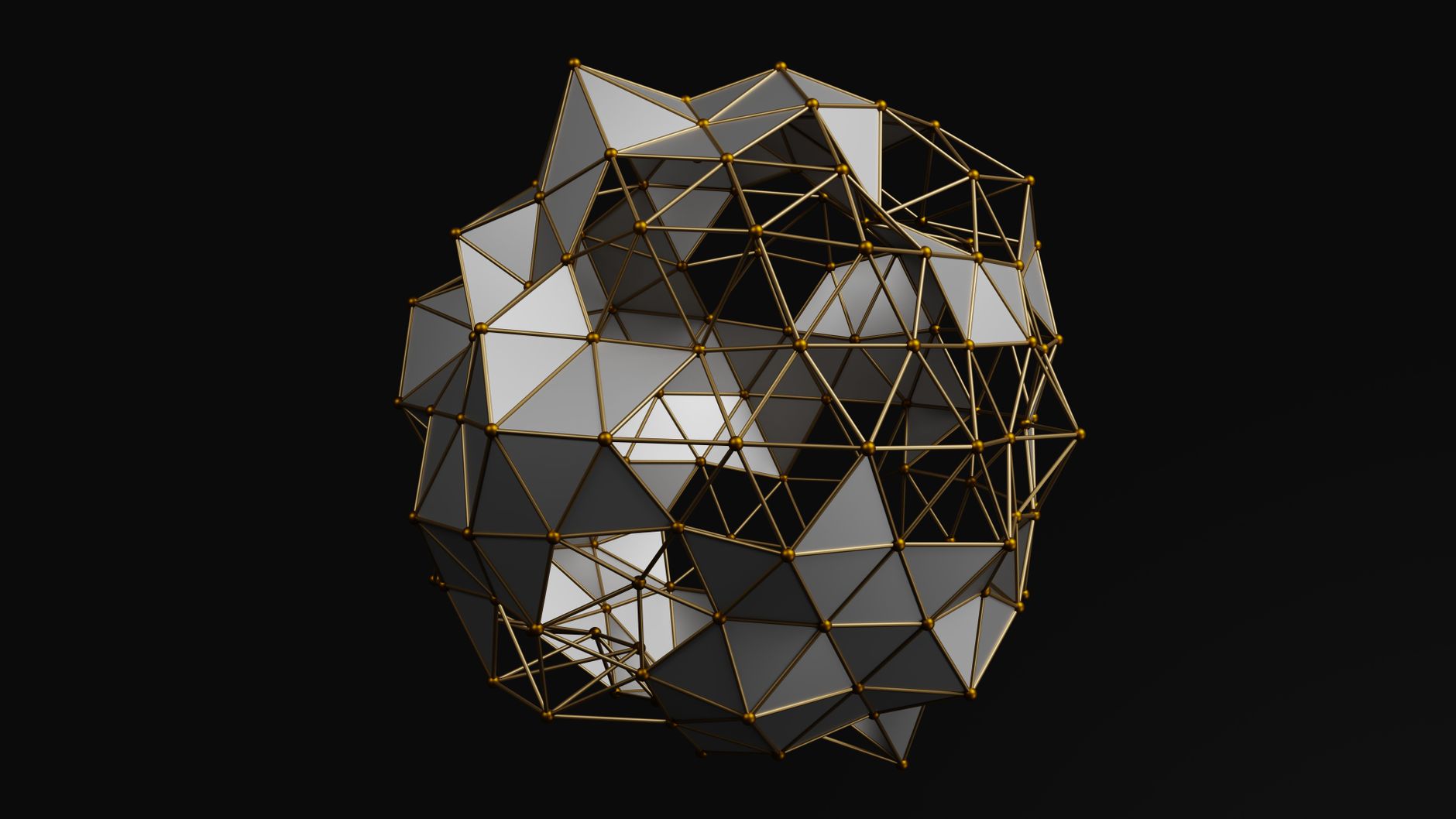
Key Innovations in 2026 Asset Generation:
- Automated Retopology & UV Mapping: AI engines instantly analyze mesh topology, converting raw high-density sculpts into engine-optimized quad meshes with zero manual seams.
- Procedural PBR Material Synthesis: Generative material tools produce full PBR sets (Albedo, Normal, Roughness, Metallic, Ambient Occlusion) at up to 8K resolution with seamless tiling capabilities.
- Rigging and Skeleton Generation: Bipedal, quadrupedal, and fantasy creature meshes are automatically rigged with skinning weights and hierarchical bone structures ready for Mecanim or Control Rig systems.
Automated Asset Import Pipeline Example (Unity / C# Automation)
Indie developers use engine extensions to automatically download, generate, and bind AI-synthesized assets directly inside their project pipeline:
using UnityEngine;
using UnityEditor;
using System.Threading.Tasks;

public class AIAssetPipelineImporter : MonoBehaviour
{
    [MenuItem("AI Tools/Generate and Bind PBR Asset")]
    public static async void GenerateAssetFromPrompt()
    {
        string assetPrompt = "Ancient carved mossy stone pedestal, fantasy style";
        Debug.Log("[AI Pipeline] Requesting 3D Mesh for prompt: " + assetPrompt);

        AIMeshResult result = await AIModelGeneratorAPI.GenerateMeshAsync(assetPrompt, 4500);

        if (result.Success)
        {
            GameObject newAsset = MeshImporterUtility.ImportOBJ(result.MeshFilePath);
            Material pbrMaterial = ShaderMaterialBuilder.CreatePBRMaterial(
                result.AlbedoPath,
                result.NormalMapPath,
                result.RoughnessMapPath
            );

            newAsset.GetComponent().sharedMaterial = pbrMaterial;
            newAsset.AddComponent().sharedMesh = newAsset.GetComponent().sharedMesh;

            Undo.RegisterCreatedObjectUndo(newAsset, "Import AI Generated Asset");
            Debug.Log("[AI Pipeline] Asset successfully generated, unwrapped, textured, and instantiated!");
        }
    }
}
3. AI-Powered Procedural World Building & Level Synthesis
In traditional game design, procedural content generation (PCG) relied heavily on rigid mathematical noise functions like Perlin or Simplex noise combined with strict rule sets. While effective for games like Minecraft or Spelunky, traditional PCG often felt repetitive, unnatural, and devoid of artistic intent.
In 2026, AI-driven level design combines generative spatial transformers with environmental biomes. Designers define macro layout blueprints, elevation constraints, and thematic moods using intuitive painting tools or text prompts, while the neural level generator handles detail placement, lighting baked density, foliage clustering, and pathfinding validation.
This hybrid spatial approach ensures that environments feel handcrafted while taking only a fraction of the time to construct. A level designer can paint an area with a "decaying gothic sanctuary" brush, and the AI system automatically scatters mossy cobblestones, broken stained glass, volumetric fog volumes, and contextual light fixtures that adhere to architectural physics rules.
Comparison Matrix: Traditional PCG vs. AI-Assisted Level Synthesis (2026)
| Feature Dimension | Traditional PCG (Pre-2024) | AI-Driven Synthesis (2026) |
|---|---|---|
| Generation Basis | Algorithmic noise functions & tile rules | Neural spatial transformers & contextual semantic maps |
| Environmental Coherence | Low; frequent floating items or unnatural geometry | High; natural biome blending, realistic erosion & lighting |
| Level Layout Iteration | Manual adjustment of hardcoded math seeds | Interactive natural language prompts & brush-based guiding |
| Pathfinding & Playability | Requires post-generation navmesh recalculation | Real-time validated geometry guaranteeing path completion |
4. Next-Gen Smart NPCs: Small Language Models & Cognitive Behavior Runtimes
Non-player characters (NPCs) have historically been constrained to rigid, branching dialogue trees and static finite state machines (FSMs). Players quickly spot repetitive voice lines, predictable pathfinding, and rigid behavior trees.
In 2026, indie games are pioneering true cognitive NPCs powered by lightweight, ultra-fast Small Language Models (SLMs) running locally on player hardware (via ONNX, TensorRT-LLM, or Apple Neural Engine). These engines allow non-player characters to exhibit persistent memory, dynamic emotional states, contextual awareness of game events, and organic voice synthesis without relying on costly cloud APIs.
For example, if a player previously saved a blacksmith's brother in an earlier chapter, the blacksmith's dynamic cognitive model adjusts its affinity vector, offering discounted armor upgrades, unprompted dialogue callbacks, and custom side quests without the developer having to hardcode hundreds of conditional if-else statements.
Architectural Layers of 2026 Smart NPCs:
- Episodic Vector Memory: Characters remember past interactions with the player, storing key story events, quest outcomes, and perceived player choices in a local vector database.
- Dynamic Goal Planning: Rather than following fixed waypoint loops, NPCs evaluate atmospheric variables (weather, danger level, economic status) to dynamically pick actions using utility AI driven by SLM reasoning.
- Real-Time Voice Generation: Neural text-to-speech (TTS) engines render realistic voice lines on-the-fly with adaptive pitch, emotional stress, and dynamic lip-sync animation.
// C# Conceptual Snippet: Local SLM Cognitive Dialogue Buffer
public class CognitiveNPCAgent : MonoBehaviour
{
    [SerializeField] private string npcPersonalityPrompt = "You are Thorne, a cynical blacksmith in a war-torn village.";
    private LocalVectorMemorySystem memoryBuffer;
    private NeuralTTSEngine ttsEngine;

    public async Task RespondToPlayer(string playerUtterance, PlayerStats playerStats)
    {
        string relevantContext = memoryBuffer.QueryMemory(playerUtterance, 3);
        string systemPrompt = npcPersonalityPrompt + "\nContext: " + relevantContext + "\nPlayer Karma: " + playerStats.KarmaLevel;

        string responseText = await LocalSLMInference.GenerateResponseAsync(systemPrompt, playerUtterance);
        AudioClip voiceClip = await ttsEngine.SynthesizeSpeechAsync(responseText, EmotionType.Cynical);
        GetComponent().PlayOneShot(voiceClip);

        memoryBuffer.AddMemory("Player said: " + playerUtterance + ", Thorne replied: " + responseText);
        return responseText;
    }
}
5. AI Code Copilots & Automated Quality Assurance Testing
Coding complex gameplay mechanics, camera controllers, shader scripts, and multiplayer networking code has historically taken up the lion's share of technical development. In 2026, specialized game dev coding agents integrated into IDEs (VS Code, Rider) and game engines act as pair programmers proficient in C#, C++, HLSL, and GDScript.
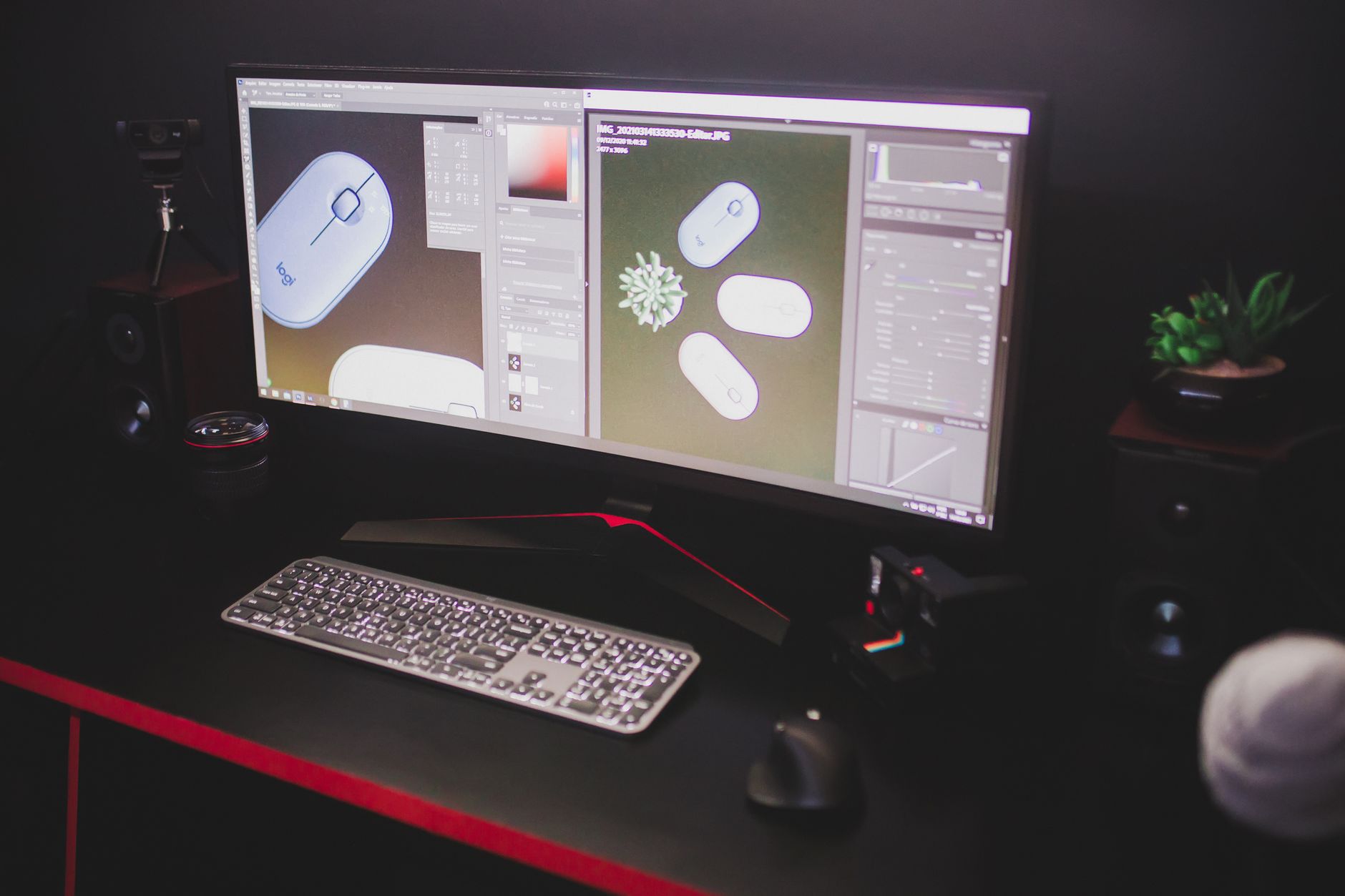
Beyond code writing, automated quality assurance (QA) has undergone a revolutionary upgrade. Instead of hiring dozens of playtesters or writing thousands of manual unit tests, indie developers deploy autonomous AI playtesting bots into their game builds.
These autonomous playtesting agents navigate game levels at 10x real-time speed inside headless server instances. They continuously attempt unexpected input combinations, jump into tight geometry corners to find map breaks, and evaluate game economy inflation curves across tens of thousands of simulated play sessions.
Capabilities of AI Playtesting Agents:
- Exploration & Boundary Stress Testing: Bots use reinforcement learning to stress-test collision boundaries, identifying game-breaking clip glitches, sequence breaks, and out-of-bounds exploits within minutes.
- Game Economy & Difficulty Balancing: AI agents simulate millions of player playthroughs with varying skill profiles, providing telemetry heatmaps on difficulty spikes, weapon damage imbalance, and pacing drops.
- Automated Crash Logging & Diagnostics: When a memory leak or null pointer exception occurs during automated testing, the AI agent logs the exact frame, stack trace, and camera position, offering instant code patch suggestions.
6. Neural Audio & Dynamic Soundtracks for Small Studios
Sound design and music score give games their emotional core. However, licensing custom orchestral tracks or commissioning multi-hour interactive scores was historically beyond the budget of most indie teams.
In 2026, neural audio engines allow developers to compose dynamic, adaptive soundtracks that seamlessly morph based on gameplay intensity. If a player sneaks stealthily, the neural audio generator modulates the arrangement into low-frequency ambient strings; when combat breaks out, it dynamically transitions into high-tempo percussion and brass—all rendered procedurally in real-time.
Simultaneously, zero-shot voice cloning and vocal expression synthesis enable indie studios to localize their games into dozens of languages with native-sounding accent nuances and pitch control, drastically lowering localization costs while opening global indie markets.
7. Real-World Case Studies: Indie Masterpieces of 2026
To understand the real impact of AI-driven game tools, let's examine two notable indie releases in 2026 that demonstrate what small teams can achieve:
Case Study A: "Chronicles of Aethelgard" (Solo Developer)
Developed by a single creator over 18 months, Chronicles of Aethelgard is an open-world action RPG featuring over 40 square kilometers of detailed landscape, 120 unique enemy types, and fully voiced quest lines. The developer utilized generative 3D mesh modeling for environmental props, local SLM runtimes for village inhabitants, and AI playtesting agents to balance combat encounters. The game earned critical acclaim on Steam, selling over 500,000 copies in its launch month.
Case Study B: "Whispers in the Void" (4-Person Studio)
This sci-fi detective mystery relied heavily on dynamic cognitive NPCs. Rather than following fixed script paths, suspects in Whispers in the Void possess individual secret motives, memory logs, and emotional triggers. Players must use natural voice conversation or text interrogation to uncover clues, making every playthrough distinct. The game won multiple indie design awards for pioneering emergent narrative design.
8. Ethical Considerations, IP & Preserving Human Vision
While AI game tools offer extraordinary speed and creative freedom, they also introduce critical ethical and practical challenges that indie studios must navigate:
- Intellectual Property & Copyright Compliance: Studios must ensure that training datasets for their generative model tooling respect copyright law and opt-out registries. Leading 2026 tools provide verified "clean dataset" guarantees for commercial distribution.
- Platform Store Policies: Major distribution platforms such as Steam and Epic Games Store enforce strict disclosure guidelines regarding AI-generated assets, requiring developers to certify that runtime generative components (like dynamic voice or text) operate within safe boundaries.
- Maintaining the Human Creative Soul: AI tools excel at accelerating boilerplate work and expanding asset output, but core game design—the emotional rhythm, gameplay feel, artistic vision, and novel mechanics—remains fundamentally human. The most successful 2026 indie titles treat AI as an empowering assistant rather than an automated replacement for game director vision.
9. Step-by-Step Guide: Implementing an AI-Driven Workflow in 2026
If you are an indie game developer looking to integrate AI-driven tools into your game development process today, follow this structured roadmap:
- Step 1: Ideation & Moodboarding: Use visual generative tools to rapid-prototype character silhouettes, environment color palettes, and UI concepts during pre-production.
- Step 2: Establish Asset Generation Rules: Configure your 3D mesh generator with standardized polycount limits, texture resolution targets, and target shader material blueprints to maintain visual consistency.
- Step 3: Integrate Engine Copilots: Install AI scripting plugins inside VS Code, Unreal Engine, or Unity to assist with C#/C++ refactoring, math utilities, and custom shader development.
- Step 4: Deploy Local Cognitive NPC Runtimes: Embed optimized quantized small language models (SLMs) locally within your game build to handle dialogue and dynamic quest reactions without relying on server APIs.
- Step 5: Automated QA Playtesting: Run AI stress-testing agents across level geometry and game economy parameters to identify bugs, difficulty spikes, and performance bottlenecks before public beta launch.
Frequently Asked Questions (FAQ)
What is AI-Driven Game Development and why does it matter for indie studios in 2026?
AI-driven game development refers to utilizing machine learning algorithms, generative asset pipelines, local language runtimes, and automated coding copilots throughout the game creation process. For indie studios in 2026, it dramatically lowers production costs, reduces timeline bottlenecks, and enables small teams to build expansive, high-quality games previously only possible for AAA studios.
Do local AI NPCs slow down game performance on player systems?
In 2026, modern AI NPC engines utilize small, highly quantized models (SLMs under 3B parameters) that run on dedicated NPU (Neural Processing Unit) cores or modern GPU hardware threads. Because inference is optimized with frameworks like ONNX Runtime and TensorRT, memory and CPU impact is minimal, keeping frame rates smooth even during real-time dialogue generation.
Can indie games built with AI tools be published on Steam and consoles?
Yes. Steam, PlayStation, Xbox, and Nintendo allow games built with AI assistance, provided developers comply with copyright regulations and store disclosure policies. Platforms require confirmation that generated assets do not infringe on copyrighted material and that live runtime components operate within safety guidelines.
Will AI replace human game designers and artists?
No. AI acts as a force multiplier for human creativity rather than a replacement. While AI automates repetitive technical tasks like mesh retopology, asset unwrapping, and basic test generation, core game design elements—such as emotional narrative pacing, game balance, aesthetic direction, and innovative gameplay loops—require human intuition and artistic craftsmanship.
What are the best AI game development tools for beginners to start with in 2026?
Beginners should start with built-in engine extensions such as Unity AI Copilot, Unreal Engine 5.5 procedural neural toolsets, visual concept tools like Midjourney v6/Stable Diffusion 3, and IDE AI assistants like GitHub Copilot or Cursor for C# and C++ scripting.
Published in Game Development & AI Technology Insights • 2026 Guide for Independent Game Creators.
Tags: game development, ai tools, indie games, unreal engine 5, unity, game design 2026, procedural generation, ai npcs