OpenClaw AI Automation: The Complete 2026 Guide to Workflows, Commands, and Scaling
By Sohail Shabbir · Technology · Mon May 11 2026
A deep, SEO-optimized OpenClaw guide covering concepts, setup, workflow design, command guide, troubleshooting, security, and best practices.
Introduction
OpenClaw is an AI automation tool built for modern teams that need fast, reliable workflows across apps, APIs, and internal systems. It combines no code building blocks with optional scripting so you can automate re
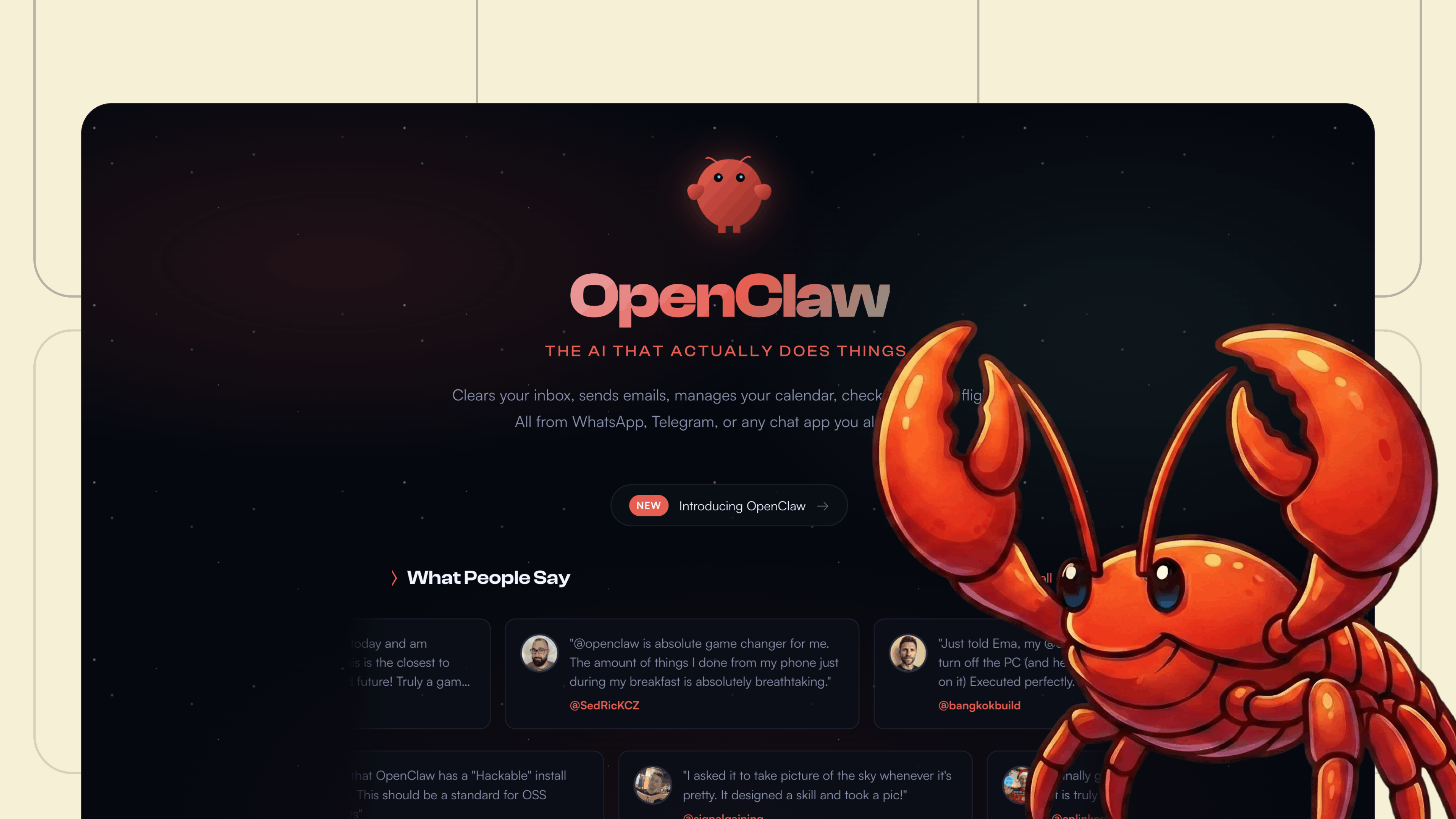 petitive work while keeping control, auditability, and performance. This guide is written as a deep, SEO optimized reference so you can understand OpenClaw from first principles and apply it like a professional.
You will learn the core concepts, the architecture, setup steps, workflow design patterns, a practical command guide, common issues and fixes, security considerations, and scaling strategies. Whether you are a solo creator or part of a 500 person company, the same principles apply: automate with clarity, verify with tests, and ship workflows that stay reliable over time.
Quick overview and table of contents
- What OpenClaw is and how it works
- Key features and the problems it solves
- Getting started step by step
- Workflow design patterns and examples
- Command guide and configuration tips
- Troubleshooting and issue resolution
- Security, governance, and scaling
- Use cases, metrics, and ROI
What is OpenClaw AI Automation?
OpenClaw is a workflow automation platform that connects triggers, actions, and AI powered logic into repeatable pipelines. A trigger starts a workflow, actions do work in connected systems, and decision steps route data based on rules or AI outputs. In practice, this means OpenClaw can watch for events like a new lead, a support ticket, or a GitHub issue and then perform a chain of tasks across tools like chat, email, databases, and internal APIs.
Unlike traditional automation tools that only handle simple if this then that flows, OpenClaw focuses on structured workflows with versioning, error handling, and deployment controls. This makes it viable for production processes rather than quick one off automations.

Core concepts you need to understand
Triggers
Triggers start a workflow. They can be event based (webhooks, app events) or schedule based (cron, hourly, daily). A good trigger captures the minimum data needed to start a job and passes that data into the workflow context.
Actions
Actions are the steps that do real work: send a message, write to a database, call an API, update a CRM, or run a script. Each action receives input from the workflow context and produces output that the next step can use.
Logic steps
Logic steps allow branching, filtering, retries, and timeouts. These steps make automations reliable in real world scenarios where data is messy or external systems are slow.
Agents
OpenClaw can add AI reasoning to workflows through agents. Agents can summarize text, classify tickets, extract entities, or generate content. You control prompts, guardrails, and when AI is allowed to change the flow.
How OpenClaw works under the hood
OpenClaw typically uses a control plane for orchestration and a runtime that executes workflow s
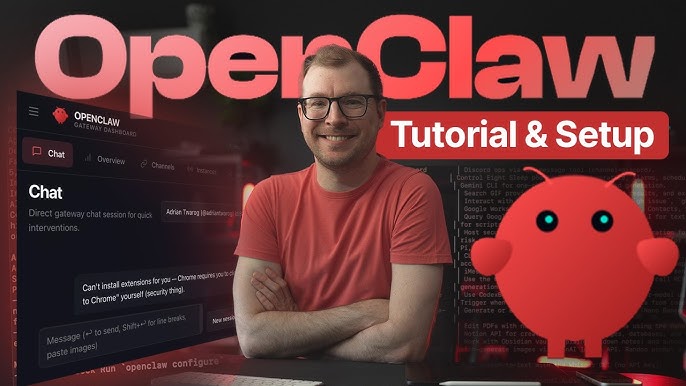
teps. The control plane stores workflow definitions, secrets, and logs. The runtime receives events, runs steps in order, and records outputs for auditability.
When a workflow starts, the system validates the input payload, loads the workflow definition, and executes each step with the correct permissions. If a step fails, OpenClaw can retry, pause for manual review, or route the job to a dead letter queue depending on your settings.
Key features that make OpenClaw stand out
- Workflow versioning and rollback for safe releases
- Connector library for popular SaaS tools and APIs
- AI steps with prompt templates and guardrails
- Retry policies, timeouts, and structured logging
- Team roles, audit trails, and secret management
- Hybrid support for no code and code based steps
- Human in the loop approvals for sensitive actions
Getting started with OpenClaw
Before you automate anything, define the business outcome. List the inputs, the expected outputs, and which systems are involved. Then follow this workflow for a clean setup.
- Create your workspace and invite team members.
- Connect the apps you plan to automate.
- Define a first workflow with one trigger and two or three actions.
- Test with sample data and verify the outputs.
- Deploy with monitoring and clear ownership.
Example: First workflow in plain language
Trigger: A new lead is added in a form. Actions: validate the data, enrich the company domain, notify Slack, and create a CRM record. Result: your sales team gets a qualified lead within seconds.
Workflow design checklist (use this every time)
- Inputs: What data do you need and how do you validate it?
- Actions: Which systems are touched and in what order?
- Retries: What should happen if a step fails?
- Idempotency: Can the workflow run twice without damage?
- Security: Which secrets or permissions are required?
- Observability: What logs, alerts, and metrics do you need?
Example workflow (conceptual)
This example shows a simple workflow definition. The exact syntax depends on your OpenClaw version, but the structure is consistent.
# example workflow (conceptual)
name: Lead Intake
trigger:
  type: webhook
  path: /leads/new
steps:
  - action: parse_json
  - action: enrich_company
  - action: score_lead
  - action: notify_slack
  - action: create_crm_record
Command guide (CLI examples)
If your deployment includes the OpenClaw CLI, these commands help you manage workflows and troubleshoot issues. Command names can vary by version, so treat this as a reference pattern.
openclaw login
openclaw init my-workspace
openclaw validate workflow.yaml
openclaw deploy workflow.yaml
openclaw run workflow.yaml --input sample.json
openclaw logs --tail 200
openclaw secrets set CRM_API_KEY=***
openclaw secrets list
Common command patterns
- Validate before deploy to catch schema errors early.
- Use run with sample input to test logic locally.
- Inspect logs with filters for failed steps.
- Rotate secrets regularly and remove unused keys.
Issues and troubleshooting guide
OpenClaw workflows fail for predictable reasons. Use this table style list to isolate issues quickly.
- Auth errors: re connect the app, check scopes, and rotate tokens.
- Rate limits: add backoff, reduce batch size, or queue requests.
- Webhook failures: confirm endpoint URL and verify signatures.
- Malformed payloads: validate input at the trigger and log the raw payload.
- Timeouts: split large jobs into smaller steps and add retries.
- Data duplication: add idempotency keys or check before write.
Security, compliance, and governance
Automation touches sensitive data, so governance matters. Use least privilege permissions, keep secrets in the platform vault, and audit every workflow change. Enable approvals for high risk actions like deleting records or sending customer emails.
If your team handles regulated data, document how workflows access data, keep logs for the required retention period, and add masking for sensitive fields. Create a secure review process before production deploys.
Performance and scaling best practices
- Batch low priority tasks and run them off peak.
- Cache expensive lookups to reduce API usage.
- Split very large workflows into smaller pipelines.
- Use queues for bursty traffic to avoid overload.
- Monitor latency per step and optimize the slowest action.
Use cases by team
Marketing
Auto tag leads, create campaign reports, and sync new webinar signups to CRM and email tools.
Sales
Route inbound leads to the right rep, enrich accounts, and log activity in the CRM in real time.
Support
Classify tickets with AI, summarize long threads, and escalate urgent issues automatically.
Engineering and DevOps
Open issues from alerts, notify on failed builds, and automate incident checklists.
Measuring ROI and workflow health
Track time saved, error reduction, and lead response speed. Good automation should reduce manual handoffs, improve consistency, and give you clear metrics you can show to leadership.
- Time saved per week
- Percentage of steps that require manual intervention
- Error rate per workflow run
- Average time to resolution for failures
FAQ
Is OpenClaw no code or low code?
It is both. Most workflows can be built with blocks, but advanced cases often benefit from scripts or custom actions.
Can I use OpenClaw on a private network?
Many teams use private runtimes or secure connectors for internal systems. Use a network design that matches your compliance requirements.
How do I keep workflows reliable?
Always validate inputs, add retries, monitor logs, and set alerts for failures. Reliability is a design decision, not a toggle.
Conclusion
OpenClaw is built for teams that want automation without losing control. When you design workflows with clear inputs, safe actions, and strong monitoring, you get reliable results and real business impact. Use this guide as your foundation, then keep improving each workflow as your team grows.