Spider-Man Explained: Complete Character Guide (2026)
By Mubashir Ali · Movies & Entertainment · Mon Apr 06 2026
Discover everything about Spider-Man—from his origin story to powers, iconic villains, and cultural impact. Your ultimate guide to the web-slinger!
What Spider-Man Is All About:
The Ultimate Guide to Marvel's Famous Hero
- This book goes over everything that makes Spider-Man special, whether you're new to the Spider-Man universe or a long-time fan who wants to learn more. You'll learn about his interesting backstory, what makes his powers special, who his most dangerous foes are, and why this character is still the most popular in comic books, movies, and video games in 2026.
- Let's go into the world of Spider-Man, who lives in your neighbourhood.
- The Story of the Beginning That Changed Everything
- The story of how Spider-Man became Spider-Man is still one of the most relatable superhero stories ever. Stan Lee wrote the character and Steve Ditko drew it in 1962. The character first debuted in Amazing Fantasy #15 as a teenager who had serious difficulties.
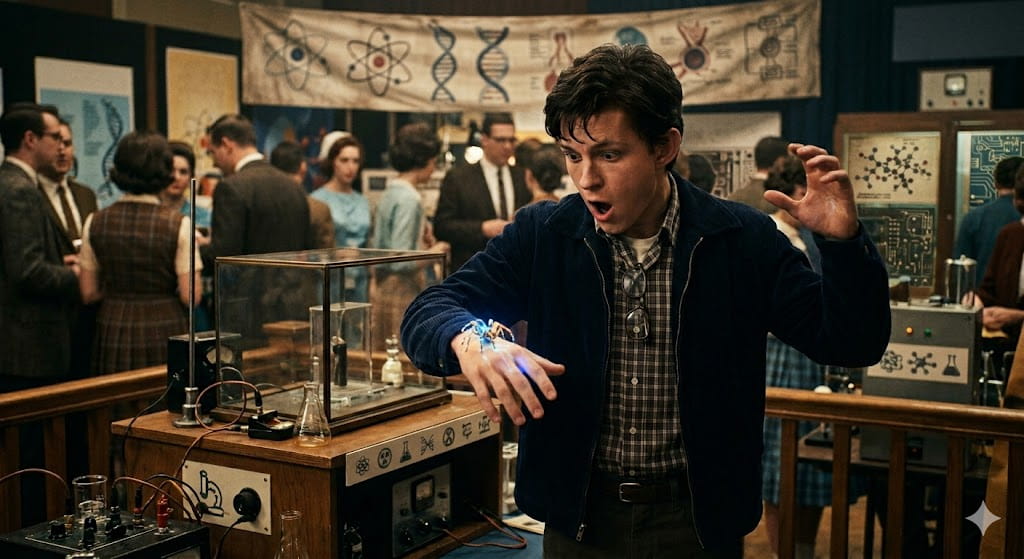
- Peter Parker didn't come into the world with powers or a miraculous object. He was a normal high school student from Queens, New York. He was smart but not very good at making friends. After his parents died, his Aunt May and Uncle Ben raised him. A radioactive spider bit him at a science fair, and everything changed overnight.
- But what makes the Spider-Man origin myth so fascinating is that Peter used his new powers for his own benefit at first. He wrestled in front of crowds to get famous. Peter didn't stop a burglar who rushed by him backstage at a TV studio. He thought, "Not my problem."
- He would always regret that choice. The same burglar later killed Uncle Ben while robbing his home. Peter learned the lesson that will shape his entire superhero career from this tragedy: "With great power comes great responsibility." That phrase didn't just become a catchphrase; it became Peter's moral compass and the basis for everything Spider-Man stands for.
Spider-Man's Powers and Abilities Go Beyond Webs
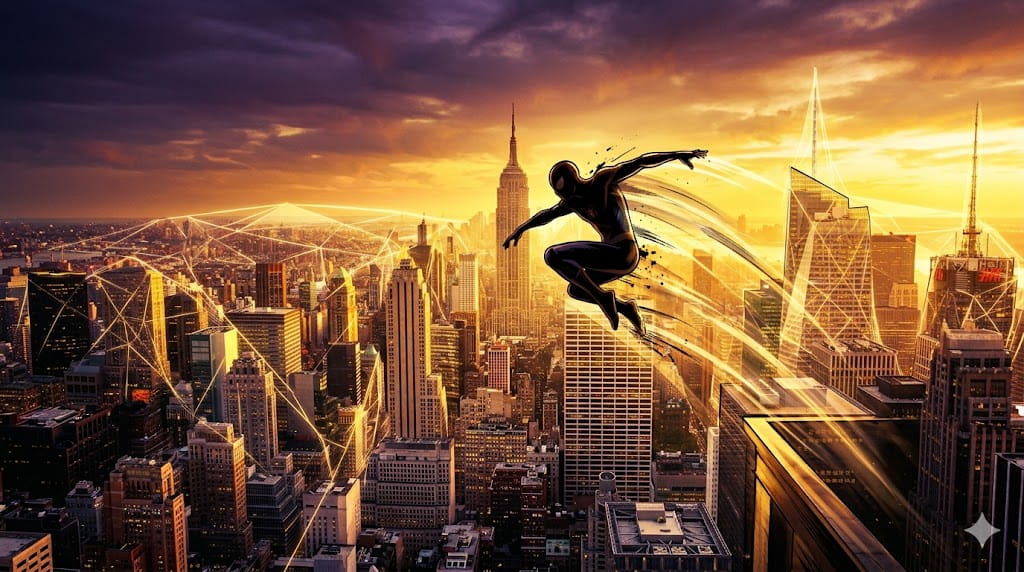
People picture Spider-Man swinging between skyscrapers on webs. But he can do a lot more than just shoot webs from his wrists.
Strength and speed that are beyond human
Spider-Man can lift around 10 tonnes, however this number changes with the plot. His agility is even more astounding because it lets him dodge bullets, do acrobatic moves in the air, and move with such precision that Olympic gymnasts would be envy.
The Spider-Sense
The "spider-sense" is probably his most undervalued power. It lets him know when danger is coming before it happens. This tingling feeling has saved his life many times by letting him respond to threats he can't even see.
Crawling on the Wall
He could stick to almost any surface because of tiny hairs on his hands and feet. He can run up walls, hang from ceilings upside down, and hold on to things during tough fights without becoming tired.
2Better Healing and Endurance
Spider-Man heals faster than most people, although not as fast as Wolverine. He can also keep up with high levels of physical activity for long periods of time without getting tired.
The Web-Shooters
A lot of casual fans don't know this: in most incarnations, Spider-Man's webs aren't real. Peter Parker came up with the idea for mechanical web-shooters and made the web fluid formula himself. This detail shows that he is a genius in chemistry and engineering. The webs are quite strong, break down after a few hours, and may be changed to do other things, like make shields or web parachutes.
What Sets Spider-Man Apart from Other Superheroes
There are a number of good reasons why Spider-Man is different from Superman or Iron Man.The Hero Who Is Having a Hard Time
Peter Parker is always having money problems, unlike Tony Stark with his billions or Bruce Wayne with his inheritance. He works more than one job, gets fired a lot, and can barely pay his rent. This money stress makes him highly relatable to regular people who are having their own money troubles.
Effects in the Real World
Spider-Man has to deal with real consequences for what he does. His superhero work cost him jobs, friends, and chances to learn. His double life has caused him to skip critical tests, let down loved ones, and have trouble keeping friends. These aren't just story points; they're problems that keep coming up and make everything feel real.
The Funny Fighter
Spider-Man tells jokes and makes fun of people during fights. Some people think this is funny, but it's really a way to deal with stress. Peter uses humour to deal with anxiety and stress, which makes him more multifaceted than just one-dimensional.
Growth and Youth
Most Spider-Man stories are about Peter when he is a teenager, in college, or just starting out as an adult. Readers actually grow up with him and go through the same changes in their lives. This makes an emotional connection that goes beyond what most superhero stories do.
Answers to Common Questions About Spider-Man
Q: How many people have played Spider-Man in films?Five actors have played Spider-Man in live-action movies: Tobey Maguire (2002–2007), Andrew Garfield (2012–2014), Tom Holland (2016–present), Jake Johnson (voice in Spider-Verse), and Shameik Moore (voice as Miles Morales). Tom Holland is now the actor that plays the part in the Marvel Cinematic Universe.
Q: Is Spider-Man more powerful than Captain America?
Yes, Spider-Man is stronger in terms of strength. Captain America is the best example of a healthy human, but Spider-Man has superhuman strength that is even stronger than Steve Rogers. But Cap's experience in battle and ability to think strategically often give him an edge in fights.
Q: Why do Spider-Man villains know his identity so often?
Several Spider-Man villains have found out Peter Parker's secret identity in different stories. This is because Peter works in New York, which is where he lives, and many of his enemies have ties to his civilian life. For example, Norman Osborn (Harry's father), Otto Octavius (who worked with Peter), Eddie Brock (a journalist who looked into Spider-Man), and others. This provides greater personal stakes than villains who just want world conquest.
Q: How are Spider-Man and Miles Morales different?
In a different universe, Miles Morales also gets spider powers and becomes Spider-Man. Both have similar powers, but Miles has some that are different, like being able to turn invisible (camouflage) and a "venom strike" that can paralyse enemies with bio-electric shocks. Miles' story honours the core Spider-Man values while also looking at different themes related to race, identity, and legacy.
Conclusion
Spider-Man endures because he represents something universal: the effort to do the right thing amid insurmountable hurdles. Peter Parker teaches us that heroes aren't born—they're developed through decisions, sacrifices, and an unrelenting devotion to helping others.From his accessible origin story to his astounding powers, from his famous villains to his presence across every entertainment media, Spider-Man has earned his spot as one of the greatest fictional characters ever created. His story reminds us that anyone can be a hero, regardless of their background or circumstances.