The Rise of Handheld PC Gaming: Comparing Steam Deck 2, ROG Ally, and the Future of Mobile Hardware
By Sohail Shabbir · Games & Gaming · Wed Aug 05 2026
An in-depth analysis of the rise of handheld PC gaming, comparing Steam Deck 2, ROG Ally X, APU silicon, battery benchmarks, and the future of mobile hardware.
The Rise of Handheld PC Gaming: Comparing Steam Deck 2, ROG Ally, and the Future of Mobile Hardware
An authoritative, in-depth guide on the rise of handheld PC gaming, comparing Valve's Steam Deck 2 framework, the ASUS ROG Ally X, and the technological evolution of mobile hardware in 2026.
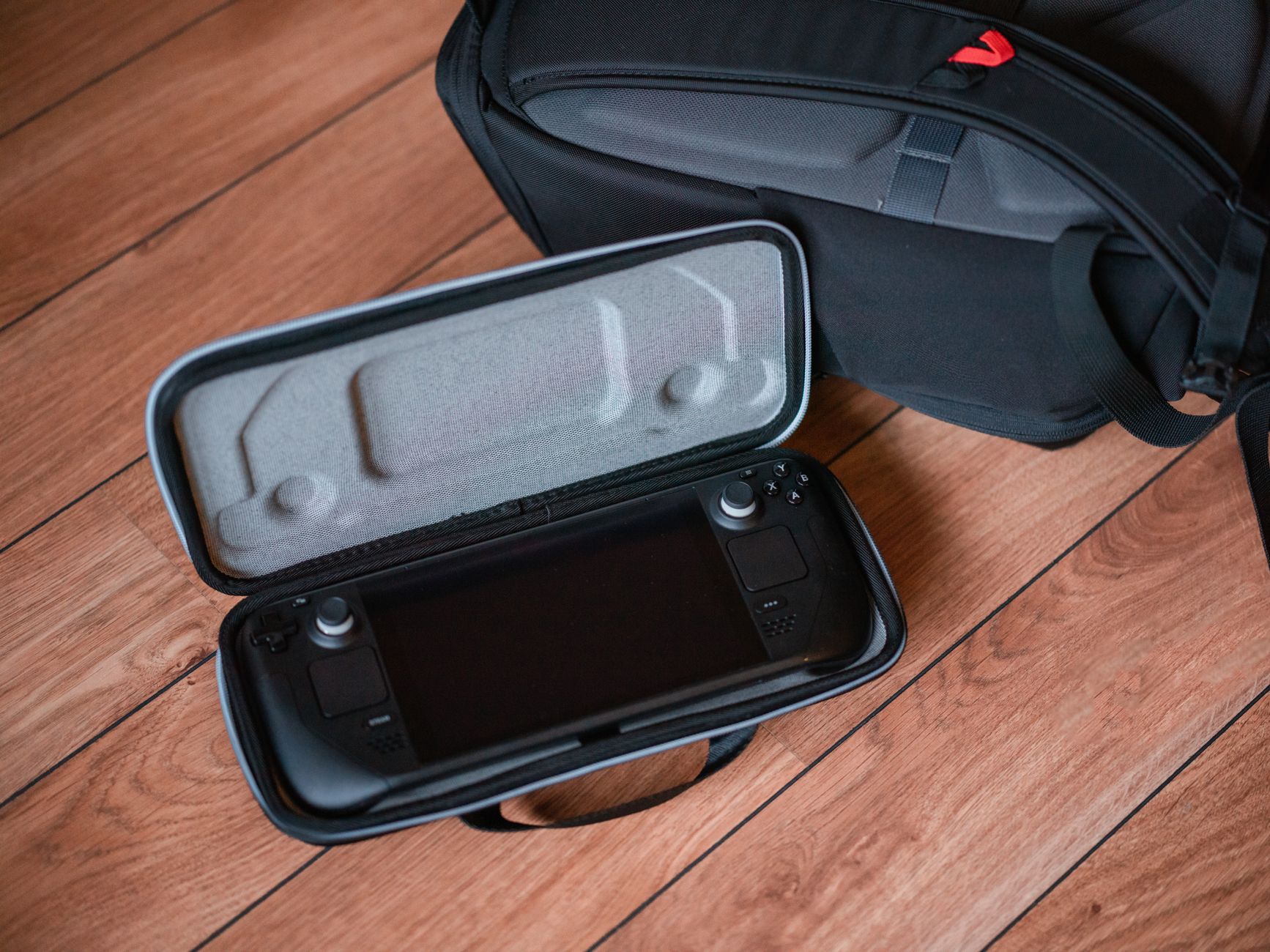
1. Executive Summary & The Shift in Mobile Gaming Infrastructure
Not long ago, playing AAA titles on a handheld device required compromised cloud streaming, severe thermal throttling, or unwieldy transportable laptops. Today, the rise of handheld PC gaming has evolved from a niche enthusiast subculture into the primary driver of semiconductor innovation and system software design. Fueled by breakthroughs in custom System-on-Chip (SoC) architectures, high-density battery chemistry, and AI-driven upscaling algorithms, modern handheld PCs are capable of running complex titles like Cyberpunk 2077, Elden Ring, and Black Myth: Wukong natively at playable frame rates.
The rise of mobile PC gaming represents a fundamental paradigm shift in personal computing. Rather than chasing peak gigahertz in desktop chassis demanding 800W power supplies, hardware manufacturers are obsessing over performance-per-watt curves within strict 7W to 30W thermal design power (TDP) envelopes. This comprehensive analysis serves as your definitive guide to understanding how Valve's upcoming Steam Deck 2 framework, ASUS's flagship ROG Ally X, and Intel-powered rivals like the MSI Claw 8 EX AI+ are redefining portable play, while evaluating the silicon, thermal, and software technologies shaping the next decade of mobile hardware.
2. Evolution of the Handheld PC: From Niche Gadgets to Mainstream Dominance
To understand the rise of handheld PC hardware today, one must appreciate how rapidly the sector has matured over the past half-decade. Early pioneers such as GPD and AyaNeo demonstrated that x86 hardware could fit into gamepad form factors, but high retail prices, lack of developer optimization, and clunky Windows interfaces kept them confined to tech enthusiasts.
The catalyst for mass adoption arrived when Valve launched the original Steam Deck. By commissioning a custom AMD APU (codenamed Aerith) featuring Zen 2 CPU cores paired with RDNA 2 graphics, Valve targeted low-TDP efficiency rather than raw desktop benchmark scores. Crucially, Valve introduced SteamOS 3.0, a Linux distribution leveraging the Proton compatibility layer, which eliminated Windows background overhead and created an intuitive console-like user experience. The success of the Steam Deck forced industry giants like ASUS, Lenovo, and MSI to enter the arena, initiating an aggressive multi-manufacturer hardware race.
By 2026, the handheld PC industry is no longer an experiment—it is a multi-billion dollar market segment driving architectural decisions at AMD, Intel, and NVIDIA. Software developers now actively target handheld TDP profiles during game optimization, ensuring UI readability, controller mapping, and custom graphics presets specifically tailored for 7-inch to 8-inch displays.
3. Deep Dive into Hardware Architectures: AMD Zen 5 / RDNA 3.5 vs. Intel Arc Xe2
At the heart of every handheld PC lies an Accelerated Processing Unit (APU) or System-on-Chip (SoC) combining CPU cores, GPU compute units, and unified high-speed memory on a single piece of silicon. The architectural competition between AMD and Intel has intensified dramatically, showcasing the rise of advanced mobile hardware examples.
AMD Ryzen Z2 Series & RDNA 3.5 Graphics
AMD has maintained its market dominance through the Ryzen Z series APUs. The latest iterations feature a hybrid CPU topology combining high-performance Zen 5 cores with power-optimized Zen 5c cores, paired with RDNA 3.5 compute units. RDNA 3.5 delivers refined clock management and optimized memory bus access, yielding up to 25% higher IPC (instructions per cycle) at identical power limits compared to standard RDNA 3. By tailoring the memory controller to support LPDDR5X-7500 and LPDDR5X-8533 memory, AMD APUs minimize memory bandwidth bottlenecks that traditionally choked integrated GPUs during heavy texture streaming.
Intel Arc Xe2 (Battlemage / Lunar Lake Integration)
Intel's aggressive push into handheld graphics relies on its Arc Xe2 (Battlemage) architecture. Xe2 introduces dedicated XMX (Intel Xe Matrix Extensions) AI engines directly into the integrated GPU pipeline. These matrix math units enable hardware-accelerated XeSS (Xe Super Sampling) upscaling without draining general shader compute capacity. Consequently, Intel-powered handhelds like the MSI Claw series demonstrate remarkable ray tracing efficiency and temporal reconstruction performance, challenging AMD's long-standing monopoly in the handheld space.
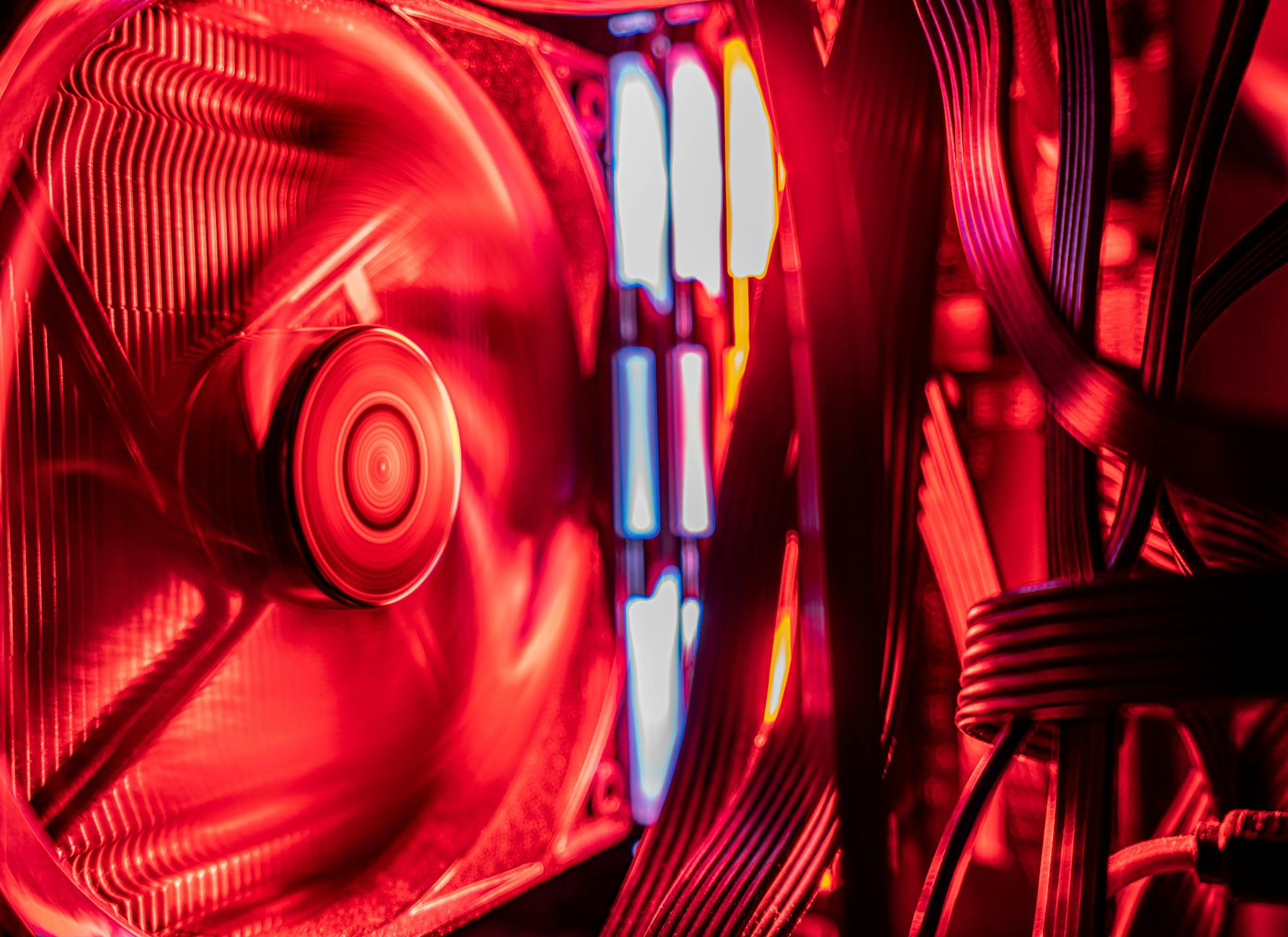
Modern handheld SoCs integrate advanced CPU cores, high-bandwidth LPDDR5X memory, and dedicated AI matrix units on a single silicon die.
4. Steam Deck 2 vs. ASUS ROG Ally X vs. MSI Claw 8 EX: Head-to-Head Comparison
Choosing the right handheld PC requires evaluating how hardware specs translate into real-world usability, battery life, and software stability. Below is a comprehensive comparison matrix highlighting key specifications across current and upcoming flagship handheld devices.
While ASUS and MSI focus on maximizing raw memory bandwidth (up to 32GB LPDDR5X) and huge 80Wh battery cells, Valve prioritizes system integration and custom power profiles. The Steam Deck 2 strategy centers on low-power tuning, ensuring that games remain enjoyable at 7W-12W power draws, whereas Windows-based handhelds often require 17W-25W to unlock their full potential.
5. Thermal Dynamics, Battery Density, and Power Efficiency Curves (TDP Analysis)
Designing a high-performance gaming handheld is fundamentally an exercise in managing thermodynamics within human hands. Engineers face a relentless physical constraint: an APU drawing 25W will output substantial heat, necessitating larger heatsinks, dual vapor chambers, and aggressive fan curves that can make devices heavy and noisy.
The 80Wh Battery Revolution
Early handhelds suffered from dismal 40Wh batteries that drained in under 60 minutes during heavy AAA gaming sessions. ASUS revolutionized the market by cramming an 80Wh battery into the ROG Ally X without drastically increasing thick dimensions or weight, effectively doubling playtime. This breakthrough demonstrated that battery capacity, not just raw chip efficiency, is essential for true mobile gaming freedom—one of the key benefits of modern handheld hardware design.
Low-TDP vs. High-TDP Power Scaling
Benchmark data reveals a stark difference in power efficiency curves between hardware platforms:
- 7W to 12W Range: Valve's custom APU architectures dominate. SteamOS actively manages CPU clock stepping, allowing indie titles and emulation to run for 5 to 7 hours continuously.
- 15W to 25W Range: AMD Z1/Z2 Extreme and Intel Arc Xe2 chips scaling kick into gear. In this sweet spot, graphical throughput jumps by 40-60%, making demanding games playable at 1080p with upscaling.
- 30W Boost Mode: High TDP modes yield diminishing returns. A 20% increase in power draw from 25W to 30W typically results in only a 5-8% frame rate increase while dramatically increasing fan noise and battery drain.
6. The Operating System Divide: SteamOS Ecosystem vs. Windows 11 Handheld Mode
The handheld market remains sharply divided by operating systems. This architectural divide affects everything from game compatibility to background system resources and instant suspend/resume functionality.
SteamOS 3.x & Proton Compatibility Layer
Valve's custom Linux-based operating system remains the gold standard for handheld UX. By bypassing traditional Windows background bloat, SteamOS allocates maximum system resources directly to the game. Features like system-wide frame limiting, TDP sliders, color gamut adjustment, and reliable instant sleep/resume make the Steam Deck feel like a dedicated console. Games translated through Proton suffer minimal performance penalties and often run smoother than on native Windows due to superior memory management.
Windows 11: Maximum Compatibility with UI Friction
Windows 11 powers the ROG Ally X and MSI Claw, granting native access to Xbox Game Pass, Epic Games Store, Battle.net, and anti-cheat protected titles like Valorant, Fortnite, and Call of Duty. However, Windows was never designed natively for 7-inch touchscreens without keyboard controls. Although ASUS (Armoury Crate SE) and Microsoft (Xbox Handheld Compact Mode) have made great strides in overlay launchers, Windows updates, pop-up dialogs, and power state glitches continue to create friction for handheld gamers.
7. Next-Generation Display Tech: OLED, VRR, HDR, and Refresh Rates
Display quality directly governs visual fidelity and perceived responsiveness. In 2026, the handheld screen specification war focuses on three core pillars: Panel Type, Variable Refresh Rate (VRR), and High Dynamic Range (HDR).
- OLED Panels: Featuring per-pixel illumination, true blacks, infinite contrast ratios, and sub-millisecond response times, OLED panels transform visual immersion. The Steam Deck OLED set the benchmark with up to 1,000 nits peak HDR brightness.
- Variable Refresh Rate (VRR): Technologies like AMD FreeSync Premium dynamically match screen refresh rates to game frame rates (e.g., 40Hz - 120Hz). VRR eliminates screen tearing and hides frame rate stutters, making 45 FPS feel as smooth as a locked 60 FPS.
- Resolution Dilemma: While 1080p and 1200p screens offer crisp pixel density on 7-8 inch panels, rendering natively at higher resolutions taxes handheld APUs heavily. Modern handheld strategy relies on 800p/900p rendering upscaled to 1080p via AI upscalers.
8. Software Optimization, AI Upscaling (FSR 4, XeSS 3), and Frame Generation
Hardware power alone cannot solve the mobile power budget equation. Software reconstruction algorithms and AI upscaling have become mandatory tools for handheld gaming performance, providing essential tips for optimizing framerates.

AI-driven upscaling enables high-fidelity gaming on portable devices while preserving battery longevity.
Technologies such as AMD FSR 4 and Intel XeSS 3 leverage machine learning temporal models to render games at a lower internal resolution (e.g., 540p or 720p) and reconstruct them to crisp 1080p output. Furthermore, handheld frame generation algorithms insert synthesized intermediate frames, allowing a game running natively at 40 FPS to present smooth 80 FPS motion on 120Hz displays. This software layer enables handhelds to punch far above their physical weight class while conserving precious battery life.
9. Practical Benchmark Analysis & Performance Matrix
To quantify real-world performance across modern AAA and indie titles, we analyze average frame rates (FPS) and 1% low frame metrics tested across standardized 15W TDP balanced modes at 1080p / 800p resolutions with medium settings and upscaling enabled:
These benchmark results demonstrate that at matched 15W TDP profiles, 24GB+ RAM configurations in devices like the ROG Ally X provide essential headroom for modern titles that consume over 12GB of VRAM and RAM combined.
10. Community Power Tools & Optimization Scripts
One of the greatest advantages of open x86 architecture handhelds is power-user tweakability following best practices for software management. Communities have developed specialized utilities to unlock hidden performance and maximize battery life.
Decky Loader & PowerTools (SteamOS Tutorial)
On SteamOS, installing Decky Loader gives users granular control over CPU threads, GPU clock lock ranges, and SMT (Simultaneous Multithreading). For example, disabling SMT in certain emulation titles (like Yuzu or RPCS3) can boost single-thread CPU performance significantly.
# Quick Terminal Command to Install Decky Loader on SteamOS (Desktop Mode)
curl -L https://github.com/SteamDeckHomebrew/decky-installer/releases/latest/download/user_install.sh | sh
Universal x86 Tuning Utility (UXTU) for Windows Handhelds
Windows handheld users rely on community scripts and tools like UXTU to adjust TDP power limits beyond factory software limits, create custom fan curves, and undervolt APU cores for reduced temperatures.
# PowerShell Script Example: Checking Power Scheme & Battery Status on Windows Handhelds
Get-CimInstance -ClassName Win32_Battery | Select-Object EstimatedChargeRemaining, BatteryStatus, DesignCapacity, FullChargeCapacity
Get-CimInstance -Namespace root\\wmi -ClassName PowerMGnt
11. Predictions for the Next 5 Years: Silicon, Cooling, and Cloud Integration
Where will handheld PC gaming hardware be by 2030? Industry trends and semiconductor roadmaps point to several transformative advancements:
- Solid-State Active Cooling: Replacing traditional motorized spinning fans with MEMS-based solid-state active cooling chips (such as Frore Systems AirJet) will allow handhelds to stay whisper-quiet while maintaining 25W sustained TDP in ultra-thin profiles.
- Silicon-Anode Batteries: Next-generation battery chemistry replacing graphite anodes with silicon nanocomposites promises 40% higher energy density. This will enable 100Wh batteries without added physical volume.
- ARM Architecture Expansion: As Microsoft and Qualcomm refine Windows on ARM (Snapdragon G series), future handhelds may feature ARM-based SoCs capable of executing x86 emulation with unprecedented battery longevity exceeding 10 hours.
- Universal Docking Ecosystems: Thunderbolt 5 and USB4 v2 (80Gbps) will make external GPU (eGPU) enclosures seamless plug-and-play accessories, instantly transforming portable handhelds into 4K desktop gaming rigs when docked.
12. Comprehensive Buying Guide & Verdict: Which Handheld PC Should You Buy in 2026?
Navigating the handheld PC landscape comes down to identifying your primary gaming priorities:
Buy the Steam Deck OLED / Deck 2 framework if:
You want a hassle-free, console-like pick-up-and-play experience, prioritize battery life in indie titles, adore vibrant OLED HDR screens, and love community-driven trackpad controls.
Buy the ASUS ROG Ally X if:
You require maximum battery capacity (80Wh), native Xbox Game Pass compatibility, 24GB of RAM for modern heavy AAA titles, and smooth Variable Refresh Rate (VRR) gaming on Windows 11.
Buy the MSI Claw 8 EX AI+ if:
You want a larger 8-inch screen, cutting-edge Intel XeSS 3 upscaling tech, high-speed 32GB LPDDR5X RAM, and strong hardware-accelerated AI reconstruction capabilities.
Frequently Asked Questions (FAQ)
Is a handheld PC a full replacement for a traditional gaming desktop or laptop?
For 1080p and 720p gaming on the go, yes! However, high-end desktop gaming PCs still offer significantly higher raw GPU performance for 4K ray-traced gaming. Handheld PCs serve best as versatile companion devices or primary gaming hardware for enthusiasts who value mobility over ultra-high graphics presets.
How long does the battery typically last on modern handheld PCs?
Battery life depends heavily on TDP settings and battery size. On 80Wh devices like the ROG Ally X or Steam Deck OLED, light indie games run for 6 to 10 hours. Heavy AAA titles running at 15W to 25W TDP will last between 2.5 and 4 hours.
Can I play anti-cheat multiplayer games like Fortnite and Valorant on SteamOS?
Certain kernel-level anti-cheat games (like Valorant or Fortnite) do not support Linux/Proton out of the box and require Windows 11. Devices running Windows natively (like the ROG Ally X) play these games without issue. Alternatively, users can dual-boot Windows on Steam Deck hardware.
What is the single most important hardware spec to look for in a 2026 handheld PC?
While CPU/GPU architecture matters, unified RAM capacity (24GB or 32GB) and battery capacity (60Wh to 80Wh) are the biggest performance differentiators in 2026. Modern AAA games consume high VRAM buffers; having extra system memory prevents stuttering and frame drops.
Is Steam Deck 2 worth waiting for if I already own a handheld device?
If you currently own an original LCD Steam Deck or early 40Wh handheld, upgrading to an OLED Steam Deck or ROG Ally X provides an immediate, massive leap in battery life and screen quality. Valve has signaled that a true generational successor (Steam Deck 2) will only release when a genuine architectural efficiency jump is ready.
© 2026 Mobile Hardware & Gaming Insights. All rights reserved. Built with SEO optimization and deep tech analysis.
Tags: handheld pc, steam deck 2, rog ally, mobile hardware, gaming