US-Israel vs Iran War 2026 – Conflict Overview
By Sohail Shabbir · News · Mon Mar 30 2026
Neutral analysis of the 2026 US-Israel-Iran war: timeline of strikes, casualties, humanitarian impact, and Iran’s official narrative with verified sources.
US-Israel vs Iran War 2026 – Conflict Overview
Executive Summary
This article provides a balanced overview of the 2026 conflict involving Iran, the US, and Israel. It summarises the origins (Operation Epic Fury), key events (Feb–Mar 2026 strikes and counterstrikes), and the complex narratives on each side, especially Iran’s self-styled “heroic” framing. We detail verified facts on casualties, leadership losses and humanitarian impact (e.g., school bombings and massive civilian infrastructure damage), drawing on credible sources like Britannica, Reuters, the UN and ICRC.
We also outline how official Iranian media and authorities portray the war (emphasising martyrdom and resistance) versus the reality of civilian suffering. The analysis is neutral and factual, with SEO-focused elements and follows structured blog formatting. Key takeaways: balanced context is crucial, civilians have borne the brunt, and international law requires all parties to protect non-combatants.
Background of the 2026 Conflict
The 2026 conflict did not emerge suddenly but is rooted in long-standing tensions between Iran, the United States, and Israel. These tensions include historical conflicts such as the 1979 hostage crisis, the collapse of the 2015 nuclear deal, and ongoing proxy wars across the Middle East. Over time, regional instability, nuclear concerns, and military rivalries built up to a breaking point, leading to direct confrontation in February 2026.
Key Events and Timeline
US-Israel Strikes and Iran’s Narrative
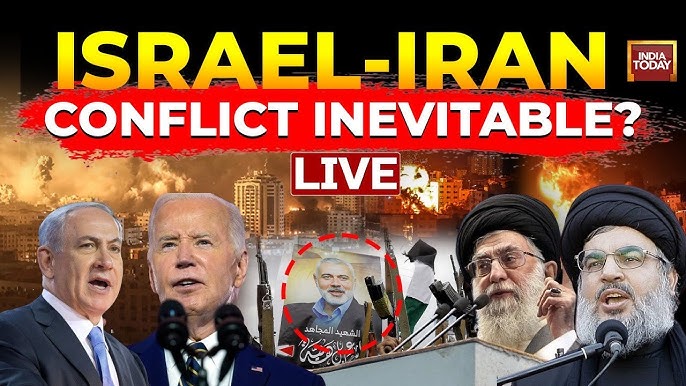
On 28 February 2026, the US and Israel launched Operation Epic Fury, carrying out nearly 900 airstrikes across Iran [3]. These strikes targeted Iran’s missile bases, nuclear sites and military command centres. State media report that Supreme Leader Ayatollah Ali Khamenei and multiple generals were killed in the initial wave[3][4]. Within hours, Iran retaliated with hundreds of missiles and drone attacks against US bases, allied forces and Israel [5][11]. This sudden escalation drew in proxy battles – Israeli air raids in Lebanon and Syria, and Iranian-backed forces firing rockets.
Iran’s Official Narrative
The official Iranian narrative paints these events as a heroic defence of the nation. Iranian leaders and state TV have framed their retaliatory strikes as “avenging martyrs” and teaching the US/Israel a lesson. For example, officials described slain commanders as martyrs defending Iran’s sovereignty.
However, international observers emphasise that this portrayal omits a broader reality: civilians are suffering the heaviest price[2][1]. Iran’s government praises its own actions, but also imposes strict control at home (internet blackouts and crackdowns on dissent), suggesting a narrative aimed at unity during crisis. Independent sources note that the vast majority of victims in this war have been non-combatants on all sides, making any one-sided triumphalism misleading.
Humanitarian Impact
Casualties and Damage
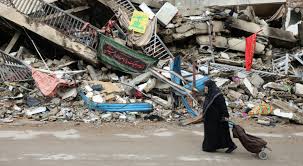
The humanitarian impact has been severe. According to a consortium of human rights groups, nearly 1,450 Iranian civilians (over 217 children) had been killed by early March in US/Israeli strikes on schools, hospitals and residential areas [6]. The International Federation of Red Cross and Red Crescent Societies likewise reported about 1,900 dead and 20,000 injured in Iran by late March.
The bombardment has left Tehran’s suburbs and smaller cities scarred: homes, schools and bridges are destroyed, and even Nowruz celebrations (Iran’s new year) were replaced by funerals [2]. Major incidents underline this cost: for instance, a US missile strike on 28 Feb tragically hit a girls’ school near the Minab naval base, killing about 170 people (mostly children) [3][6].
The Iranian Red Crescent and ICRC have documented schools, clinics and electricity plants reduced to rubble, warning that such strikes violate international law [9][1].
Israeli territories have also suffered losses. Iranian missiles and allied rocket fire have killed at least 19 Israeli civilians and several soldiers in southern Lebanon [7]. In Lebanon, Israeli bombing (in response to Hezbollah attacks) has killed over 1,200 people, including many civilians and Hezbollah fighters [8].
U.S. forces took casualties as well, including 13 service members, some in accidents and some in combat [12]. Gulf countries reported dozens killed in Iranian attacks (e.g., 10 in the UAE, others in Iraq, Kuwait, etc.) [13][14]. The UN’s human rights chief warned that attacks on civilian energy infrastructure across the Gulf could have “disastrous humanitarian, economic and environmental consequences" [1][10].
International Response
International Law and Aid
All sides invoke defensive motives, but human rights organisations stress that civilians and civilian objects must be protected. UN experts and the ICRC have repeatedly called for de-escalation. The ICRC's head in Iran noted that “civilian infrastructure has been affected, many homes severely damaged” and that people feared for their lives during strikes [2].
The ICRC emphasised that medical staff and shelters must be spared [9]. UN High Commissioner Volker Türk said the “human cost” of the war is “alarming”, pointing out that schools, hospitals and cultural sites have been hit [1]. International law labels deliberate attacks on civilians or infrastructure (like power plants or hospitals) as war crimes[10].
Thus, despite Iran’s rhetoric of heroism, NGOs and the UN are clear: no narrative can justify civilian suffering.
Conclusion: Looking Ahead
As of spring 2026, the conflict has no clear end. Iran maintains it is resisting aggression, while the US and Israel cite self-defence against Iranian threats. Policymakers worry about a wider regional war, with US President Trump reportedly considering more troops to guard Gulf sea lanes. A UN-led ceasefire has not been achieved.
For the people caught in the middle, however, daily life means bomb shelters and shortages, not victory parades. In neutral terms, experts believe that sustained dialogue is the only way to ease this crisis. Independent analysts caution that Iran’s “heroic” narrative may bolster domestic morale, but the scale of destruction on all sides suggests any lasting peace will require concessions and respect for civilian life.